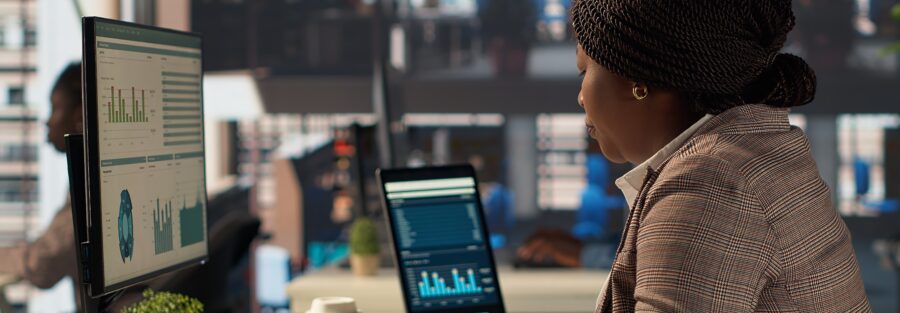
Running a small or medium-sized business in Nigeria without a proper accounting system is one of the fastest ways to lose control of your finances. Many SMEs rely on informal records, memory-based tracking, or disconnected spreadsheets, which eventually leads to cash flow problems, tax issues, and poor decision-making.
A functional accounting system is not about complexity; it is about structure, accuracy, and consistency.
What an Accounting System Really Means
An accounting system is the organised process of recording, classifying, summarising, and analysing financial transactions. For SMEs, this includes sales, expenses, payroll, assets, liabilities, and taxes.
A good system answers critical questions such as:
Is the business profitable?
Where is money being spent?
Can the business meet its tax obligations?
Is there enough cash to grow?
Steps to Setting Up an Effective SME Accounting System
1. Choose the Right Accounting Structure
Decide whether your business will use cash-based or accrual accounting. Most growing SMEs benefit from accrual accounting because it provides a clearer picture of financial performance.
2. Design a Proper Chart of Accounts
A chart of accounts organises income, expenses, assets, and liabilities. This structure ensures accurate reporting and easier tax filing.
3. Use Reliable Accounting Software
Accounting software reduces errors, saves time, and improves reporting accuracy. The right software should match your business size, industry, and regulatory needs.
4. Establish Internal Controls
Controls such as approval processes, reconciliations, and documentation reduce fraud and financial errors.
5. Review Financial Reports Regularly
Monthly reviews of income statements, balance sheets, and cash flow reports help business owners make informed decisions.
Benefits of a Proper Accounting System
Clear financial visibility
Improved cash flow management
Easier tax compliance
Better access to funding
Stronger business credibility
Final Thoughts
An accounting system that works is one that supports growth, compliance, and decision-making. SMEs that invest early in proper accounting systems are better positioned for sustainability and expansion.